


NAGURI ナグリ
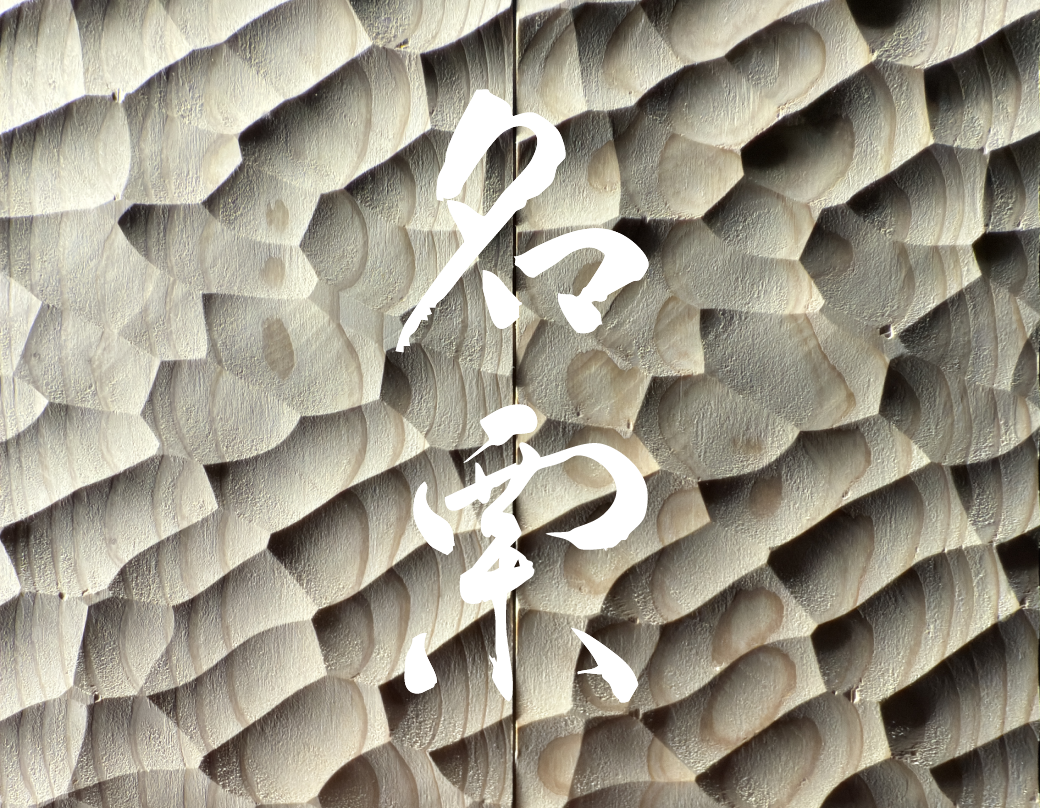
"Naguri" is a traditional Japanese woodworking technique in which the surface of the wood is carved or hammered. This method is commonly found in the construction of traditional Japanese houses, temples, and shrines. The surface of the wood is intricately scratched by carving or hammering to create a distinctive texture. This technique has been used for furniture and building materials in various applications, and it continues to be appreciated today in contexts where its traditional beauty and durability are highly valued.


| Surface | Not charred: the texture is carved, not burnt. |
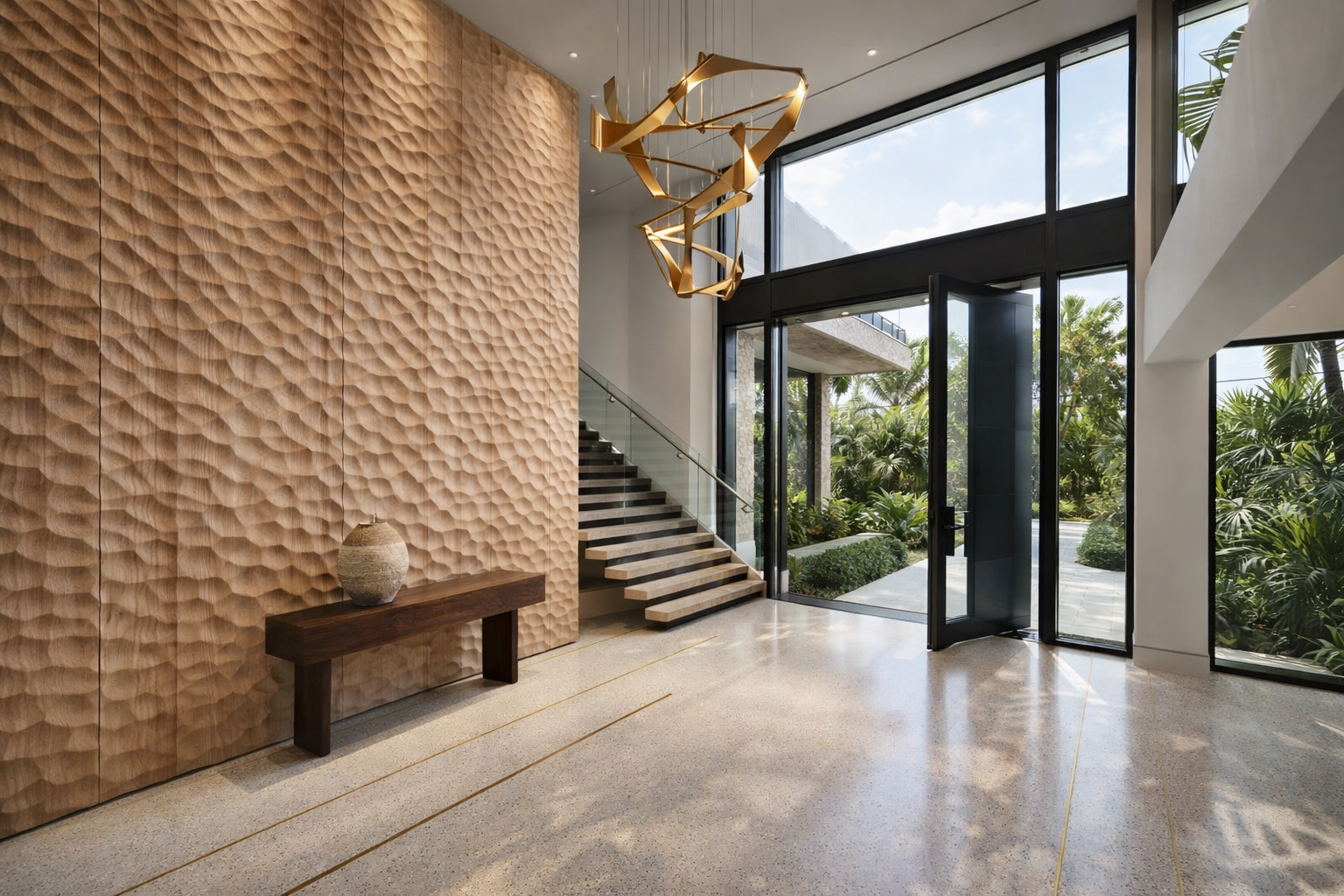
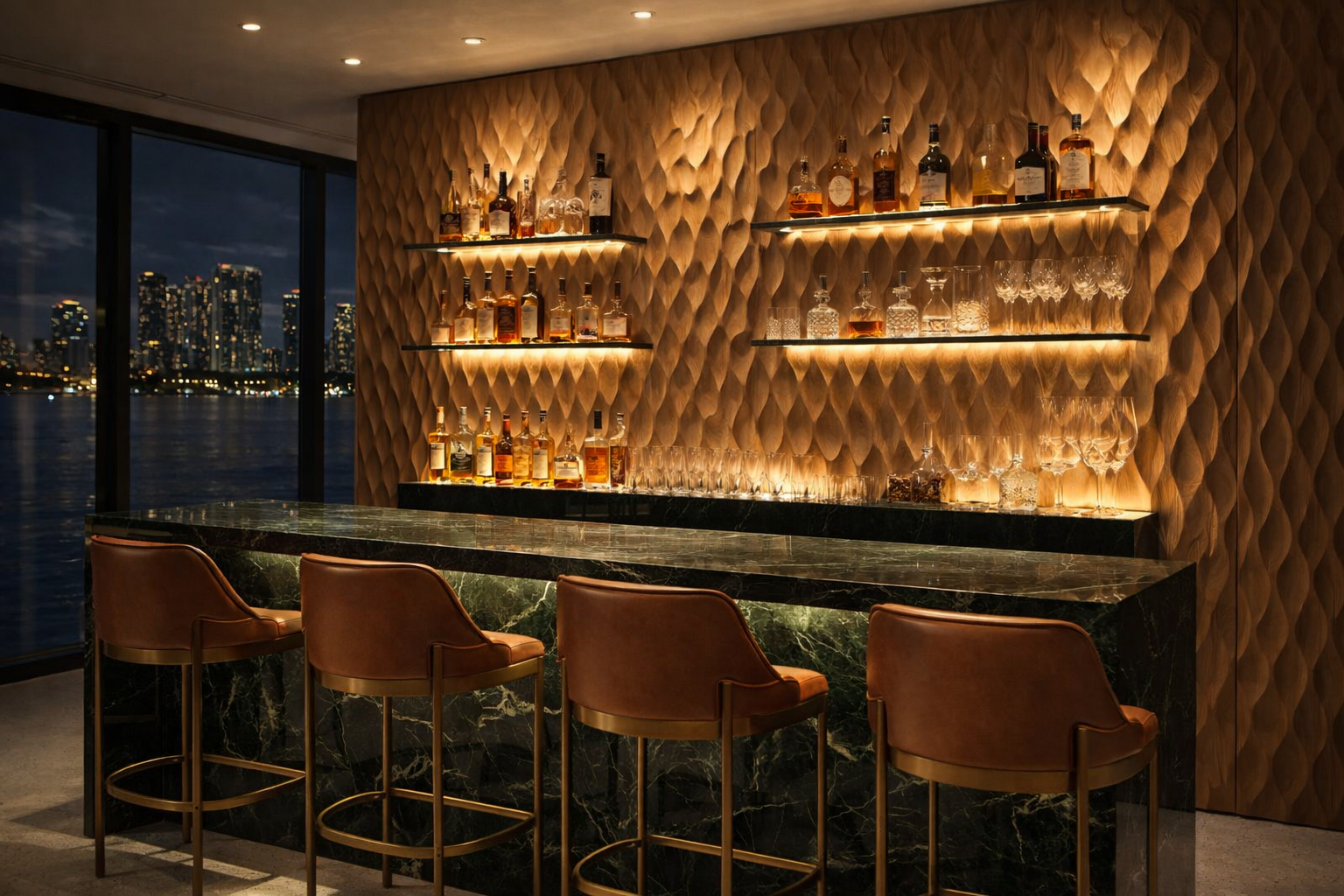
| Applications | Feature walls and wall paneling, ceilings, millwork, custom furniture, cabinetry, doors, hospitality and retail interiors. Exterior: facades and cladding possible, subject to application and exposure. To be confirmed per project, with species and finish. |
| Wood Species | Sugi (Japanese cedar) or Hinoki (Japanese cypress), chosen per project. All patterns are available in both. |
| Profile | Standard tongue and groove or square edge, per application. Other edge details on request. |
| Typical Dimensions | Sugi 15 x 142 mm, Hinoki 15 x 138 mm. Lengths 2,000 or 3,000 mm. Other sizes on request. |
| Finishes | Unfinished (no coating, the wood left raw), oil (clear oil, or oil with a stain colour), or polyurethane (clear or coloured). |
| Origin | Made in Japan, Japanese wood. |
| Production Lead Time | 4 to 6 weeks (indicative, confirmed per order). |
Lengths: 2,000 or 3,000 mm
Lengths: 2,000 or 3,000 mm
These are typical sizes, not limits. Dimensions vary by pattern. Other sizes on request.
- Each board is unique - slight variations in pattern and depth are natural and expected.
- Handle with care during installation. Wear gloves and protect adjacent surfaces.
- For exterior use, install as rain screen with adequate ventilation gap.
Request a sample kit, get a custom quote, or book a consultation with our team.


From sourcing and cutting to charring and finishing, every step takes place in Japan.
Each plank is carefully charred using traditional Japanese techniques at over 1700C.
From bold exterior facades to elegant interior feature walls, our Yakisugi adapts to any vision.